
Design review checks rules. The field checks reality.
Design review signed off. Prototype looks clean. Then it goes into the field and something breaks.
This is more common than most engineering teams will admit. The schematic was correct. The layout passed DRC. The review was thorough. And it still failed.
Because design review validates against assumptions. The field exposes them.
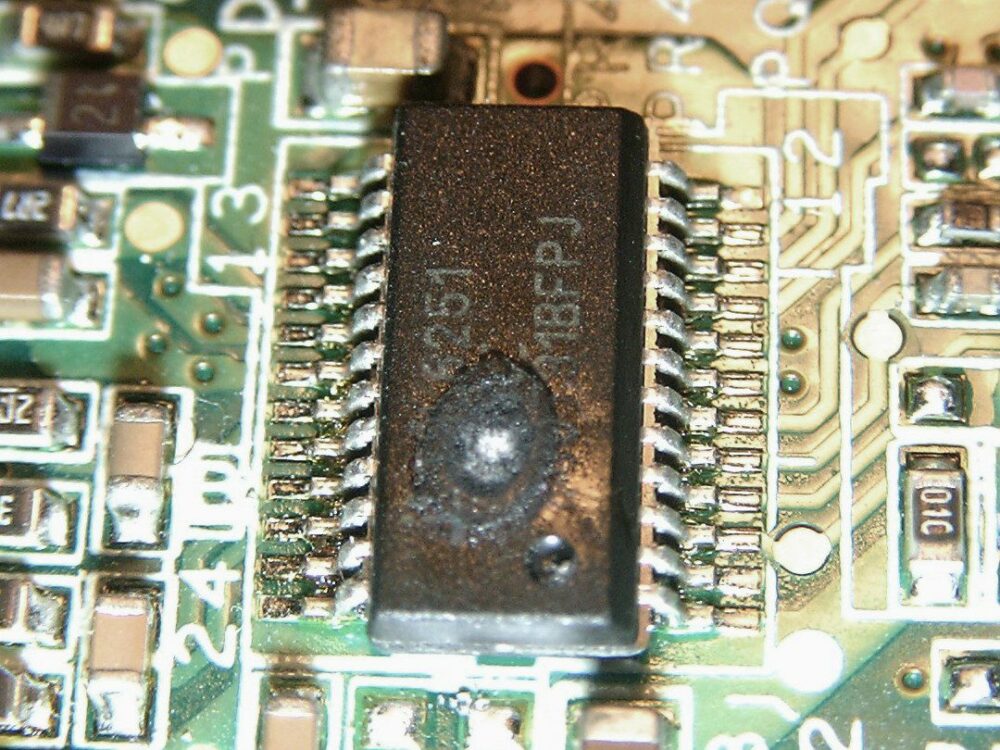
Design review gives confidence. The field removes it.
A design review is a structured process. It checks that the design conforms to known constraints such as voltage ratings, clearances, component limits, and layout guidelines.
What it cannot check is everything that was never written into those constraints.
Temperature cycling. Mechanical vibration. Humidity. Connector wear. Supply chain substitutions. EMI from adjacent systems.
These are not edge cases. They are the operating environment.
A board that passes review has been validated against a model of reality.
A board that survives the field has been validated against reality itself
The failures are already in the design. They just have not appeared yet.
Most field failures are not random. They are latent conditions that only show up when stress, variation, or time is introduced.
Decoupling that works at room temperature loses effectiveness under DC bias and temperature. Thermal performance that looks safe in simulation shifts with assembly variation and enclosure conditions. Connector resistance increases with use and creates heat where none existed before. Routing decisions that look fine at low speed behave differently at high frequency.
Grounding strategies that work in isolation fail when integrated into a full system.
None of these are exotic problems. They are normal behavior outside controlled conditions.
The Prototype is not the product.
Prototypes are built carefully by engineers who understand the design. Production is built for scale. Variation increases. Context is lost. Testing is reduced. This gap is where failures appear.
Design for manufacture is what determines whether a design works once or works repeatedly.
Most failures are assumption mistakes.
ailures rarely come from obvious design errors.
They come from assumptions.
Assuming nominal values.
Assuming stable conditions.
Assuming perfect assembly.
Assuming consistent components.
When those assumptions break, the design breaks.
Reliability is engineered, not tested in.
Operate well within limits.
Design for worst case, not typical.
Validate under stress, not comfort.
Test beyond basic functionality.
Control your supply chain.
Reliability is built into the design, not verified at the end.
Final thought.
Design review is necessary. It is not sufficient. If your validation matches your assumptions, your failures will match your blind spots.
Products do not fail because engineers are careless. They fail because reality is harsher than the model.